
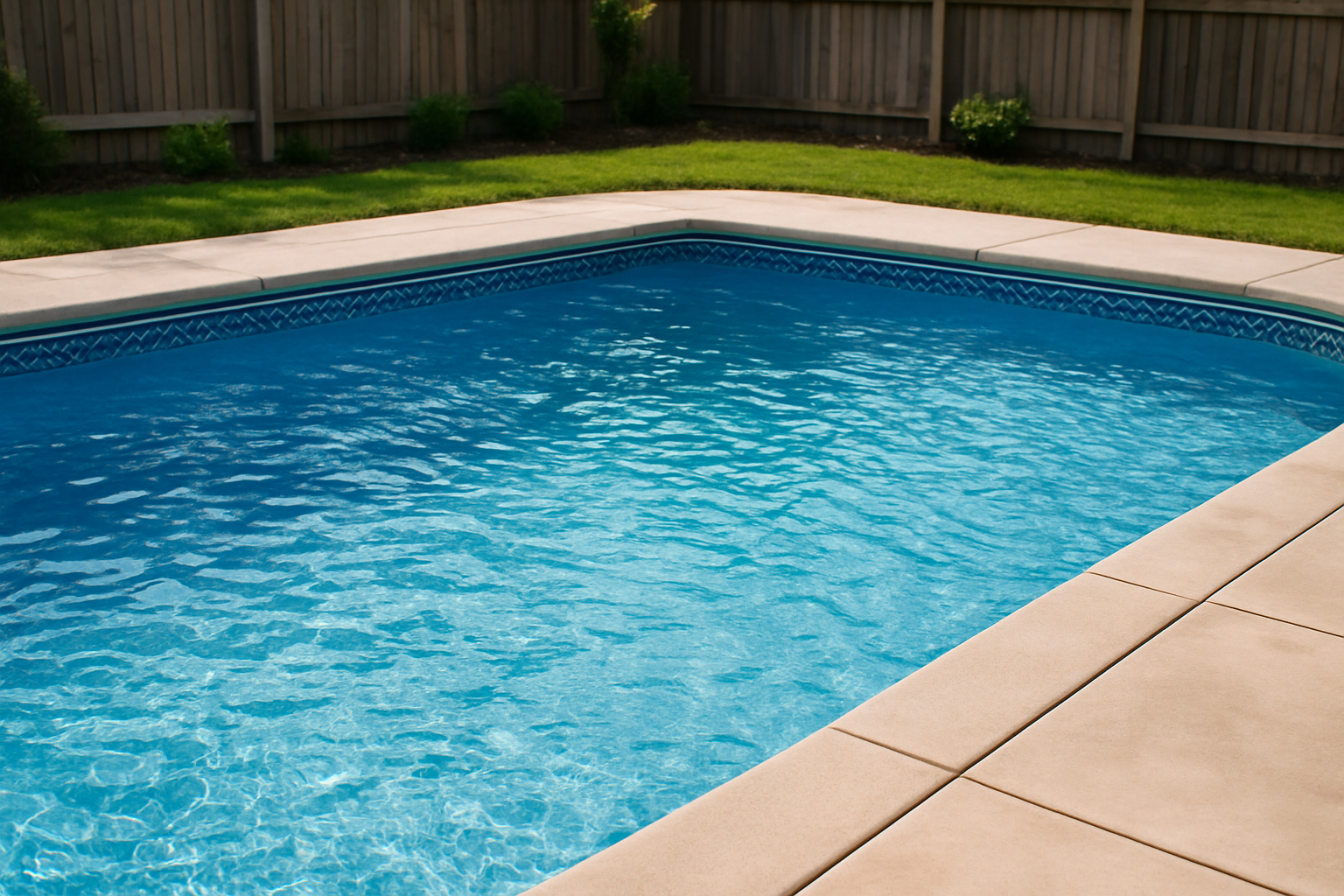
Key Takeaways
- Every pool owner needs five core chemicals: sanitizer, pH balancers, alkalinity control, calcium hardness control, and shock.
- Additional helpful chemicals include algaecide, clarifier, stain & scale control, and enzymes.
- Test your pool water at least once a week (more often during heavy swim season).
- Balanced water protects swimmers and your pool equipment.
- Avalon Pools & Spas carries all essential pool chemicals and offers expert water testing in Milton, VT.
What Chemicals Do I Need for My Pool?
If you’re a pool owner in Vermont, you’ve probably stared at a shelf full of pool chemicals and thought, “Do I really need all of these?”
The good news?
No — not all of them.
But you do need the essentials.
Proper pool chemicals keep your water clean, safe, sparkling, and ready for summer fun. Without the right balance, your pool can turn cloudy, green, irritating, or even unsafe for swimmers.
In this guide, we’ll break down exactly what chemicals you need for your pool, why each one matters, and how to keep everything balanced all season long.
Let’s dive in.
The 5 Essential Chemicals Every Pool Needs
These are the non-negotiables — the foundation of clean, healthy pool water.
1. Sanitizer (Chlorine or Bromine)
Your sanitizer is the MVP of your pool chemicals.
It keeps bacteria, algae, and contaminants from taking over.
Most Vermont pool owners use:
✔ Chlorine
Available in:
-
tablets
-
granules
-
liquid
-
salt systems (saltwater pools convert salt into chlorine naturally)
Chlorine is strong, reliable, and the most common option.
✔ Bromine
More common in hot tubs, but some pool owners prefer it because it’s gentler on skin and holds up better in warmer water.
Your sanitizer level should stay consistent all season long.
2. pH Balancers
Your pool’s pH level determines how acidic or basic the water is.
The ideal range is 7.2–7.8.
If pH is too low → water becomes acidic (corrosion, itchy skin, damaged liners).
If pH is too high → chlorine becomes less effective.
You’ll need:
-
pH Increaser
-
pH Decreaser
These keep your water stable and comfortable.
3. Alkalinity Adjusters
Total alkalinity helps stabilize your pH so it doesn’t swing wildly.
Think of alkalinity as the “anchor” for pH.
Ideal range: 80–120 ppm
To manage alkalinity, you’ll need:
-
Alkalinity Increaser
-
(Rarely) alkalinity reducer
If your pool’s pH is constantly drifting, low alkalinity is almost always the cause.
4. Calcium Hardness Control
This protects your pool equipment and surfaces.
If calcium is too low → water becomes “corrosive” and eats at your pool’s surfaces.
If calcium is too high → scale forms on liners, tiles, and equipment.
Ideal range: 200–400 ppm
You’ll need:
-
Calcium Hardness Increaser
(Some Vermont water is naturally hard, so you may not need a decreaser.)
5. Shock (Oxidizer)
Shock is basically a deep-cleaning boost for your water.
Use pool shock to:
-
remove chlorine odor
-
destroy bacteria
-
eliminate sweat, sunscreen, and contaminants
-
clear cloudy water
-
prevent algae
-
sanitize after heavy use
Most pools should be shocked once a week during swim season.
Helpful Additional Pool Chemicals (Optional but Smart)
These aren’t required, but they make pool maintenance easier — especially during peak swim season or after storms.
1. Algaecide
This prevents algae before it starts.
Vermont humidity + warm days = prime algae conditions.
2. Clarifier
Stuck with cloudy water?
Clarifier binds tiny particles together so your filter can remove them more easily.
3. Stain & Scale Control
Vermont well water or hard water can leave stains and scale.
This chemical helps protect your surfaces and reduce mineral buildup.
4. Enzymes
These break down body oils, sunscreen, pollen, and organic debris — super helpful during summer.
5. Metal Removers
If your water has iron or copper, this prevents discoloration and staining.
How Often Should I Add Pool Chemicals?
Different chemicals have different schedules, but here’s a simple guide:
Weekly Pool Chemical Checklist
-
Test water
-
Adjust pH
-
Adjust alkalinity
-
Check sanitizer levels
-
Shock the pool
-
Add algaecide (optional but helpful)
Monthly Pool Chemical Checklist
-
Test calcium hardness
-
Add stain/scale control if needed
-
Deep-clean filters
-
Add clarifier as needed
After Heavy Pool Use or Storms
Always test water after:
-
thunderstorms
-
pool parties
-
multiple swimmers in a short time
-
heatwaves
Sun, rain, and heavy use can change water chemistry quickly.
Do Saltwater Pools Need Chemicals Too?
Yes — just slightly fewer.
Saltwater pools still require:
-
pH balancing
-
alkalinity control
-
calcium hardness control
-
occasional shock
-
stabilizer (cyanuric acid)
-
cell cleaning solution for salt systems
Saltwater pools still produce chlorine, so sanitizing is never optional.
How Do I Know If My Pool Water Is Balanced?
Sparkling, clean water is the goal — but testing is how you know for sure.
You should test your pool water:
-
once a week
-
before big swim weekends
-
after storms
-
any time water looks cloudy
Avalon Pools & Spas offers free water testing with expert recommendations.
Just bring in a sample — we’ll tell you exactly what to add.
Signs Your Pool Water Needs Chemical Adjustment
Look out for:
-
Cloudy water
-
Strong chlorine smell
-
Itchy skin
-
Green tint
-
Slippery surfaces
-
White chalky scale
-
Rust-colored stains
-
Foam on the surface
-
Drift in pH levels
These are clues that your water chemistry is unbalanced.
Where to Buy Pool Chemicals in Vermont
Avalon Pools & Spas in Milton, VT carries:
-
chlorine tablets
-
bromine
-
shock
-
pH balancers
-
alkalinity increasers
-
calcium hardness control
-
algaecide
-
clarifiers
-
stain & scale preventers
-
test strips and test kits
-
salt system supplies
We can also help you pick the right products for your pool type and water conditions.
Frequently Asked Questions
Do I really need all of these chemicals?
You need the five essentials — everything else is optional but helpful.
What’s the easiest way to keep my pool balanced?
Test weekly, shock weekly, and don’t let pH or alkalinity drift.
Is it okay to mix pool chemicals?
Never mix chemicals directly. Always add them to the pool separately.
How long after adding chemicals can you swim?
Usually 15 minutes to a few hours, depending on the chemical. Always read the label.
Why does my pool keep getting cloudy?
Common causes: low sanitizer, high pH, dirty filters, or fine particles that need clarifier.
Do I need different chemicals for above-ground pools?
No — the same chemistry applies to both above-ground and in-ground pools.