
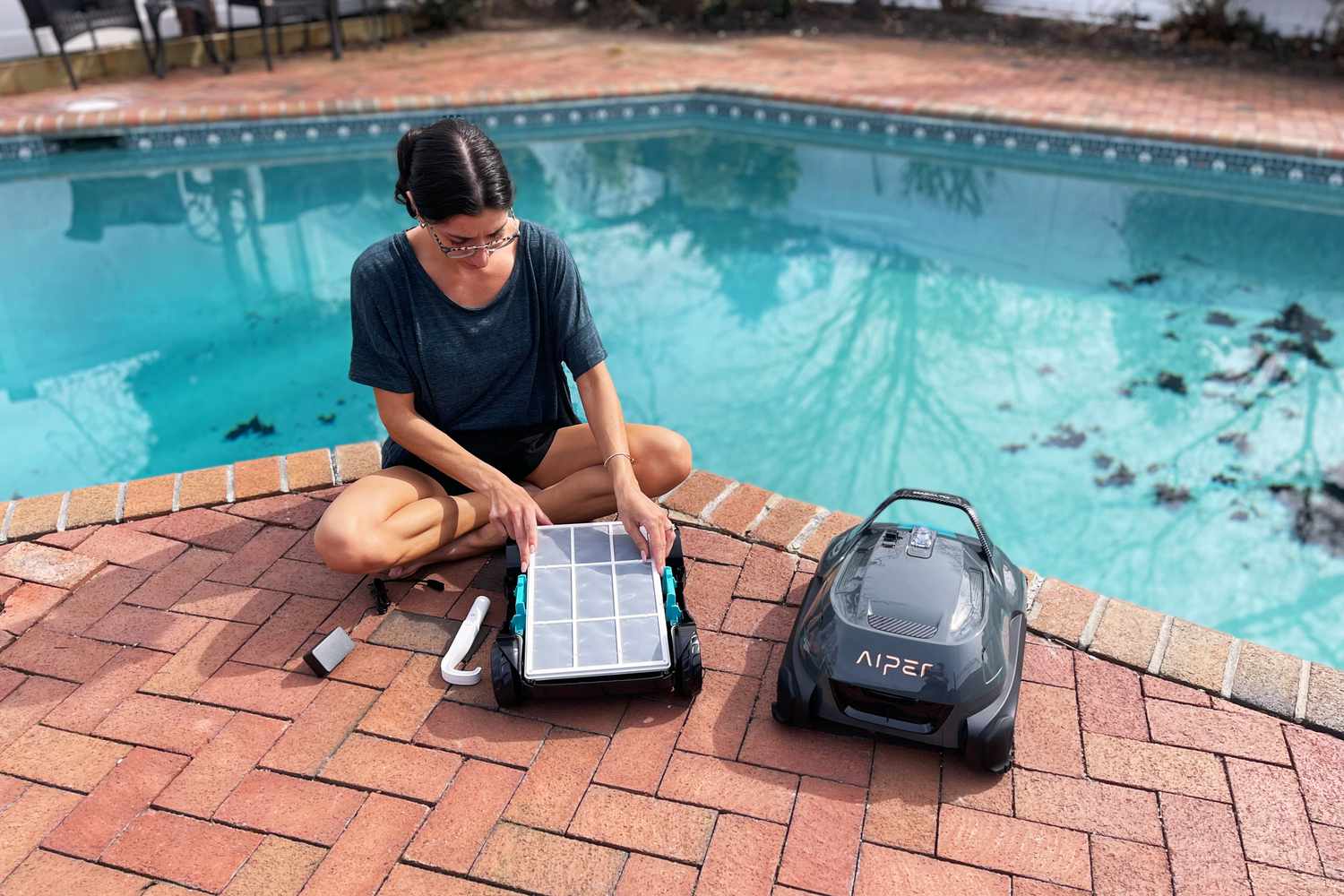
If your pool vacuum is not working, you’re not alone. One of the most common frustrations pool owners face is watching their vacuum move around the pool—but leave dirt, sand, or debris behind.
A properly functioning pool vacuum should make pool maintenance easier, not create more work. Whether you own a manual vacuum, suction-side cleaner, pressure-side cleaner, or robotic pool cleaner, several common issues can prevent it from cleaning effectively.
The good news? Many of these problems are simple to diagnose and often have an easy fix.
In this guide, we’ll walk through the eight most common reasons your pool vacuum isn’t picking up dirt, explain how to troubleshoot each one, and help you determine when it’s time to call a pool professional.
Key Takeaways
- A pool vacuum not working is often caused by poor water flow, clogged filters, worn parts, or improper setup—not necessarily a broken vacuum.
- Regular cleaning of your filter, skimmer basket, and pump basket can prevent many vacuum performance issues.
- Different types of pool vacuums require different troubleshooting steps.
- Routine equipment maintenance extends the life of both your vacuum and your pool system.
- If your vacuum still isn’t cleaning properly after basic troubleshooting, professional pool equipment service can quickly identify the underlying issue.
Why Your Pool Vacuum Matters
Your pool vacuum does much more than remove visible leaves.
A properly working vacuum helps eliminate:
- Dirt
- Sand
- Pollen
- Algae spores
- Small debris
- Organic contaminants
Removing debris before it settles into your filter reduces wear on your equipment and helps maintain clean, healthy water.
When your pool vacuum is not working, debris continues to accumulate, forcing your filtration system to work harder and increasing the likelihood of cloudy water or algae growth.
1. Your Filter Is Dirty
One of the biggest reasons a pool vacuum isn’t picking up dirt has nothing to do with the vacuum itself.
Instead, the problem is often your pool filter.
As dirt builds inside your filter, water flow decreases.
Less water flow means:
- Reduced suction
- Slower cleaning
- Poor vacuum performance
Signs Your Filter Needs Cleaning
- Higher-than-normal pressure gauge reading
- Weak return jets
- Reduced suction
- Cloudy water
Solution
Depending on your filter type:
- Backwash a sand filter.
- Clean a cartridge filter.
- Backwash and recharge a DE filter.
Cleaning your filter often restores vacuum performance immediately.
2. The Pump Isn’t Producing Enough Suction
Most suction-side pool vacuums rely entirely on your pool pump.
If the pump isn’t producing enough flow, the vacuum can’t clean effectively.
Common causes include:
- Dirty pump basket
- Low pump speed
- Air leaks
- Worn pump components
- Clogged impeller
If you’ve recently noticed weaker skimmer suction or return flow, the issue may be affecting your entire circulation system—not just your vacuum.
3. The Pool Water Level Is Too Low
Your pool needs adequate water for proper circulation.
If the water falls below the skimmer opening, your pump begins pulling in air instead of water.
This reduces suction dramatically.
Signs include:
- Vacuum moving slowly
- Air bubbles
- Pump losing prime
- Weak cleaning performance
Keep your pool water approximately halfway up the skimmer opening for optimal performance.
4. The Vacuum Hose Has a Leak
For manual and suction-side vacuums, the hose is critical.
Even a small crack or loose connection allows air into the system, reducing suction.
Inspect the hose for:
- Small splits
- Loose cuffs
- Pinholes
- Worn connectors
Replacing an aging hose is often an inexpensive fix that makes a noticeable difference.
5. The Vacuum Head or Intake Is Clogged
Sometimes the problem is surprisingly simple.
Small debris can become lodged inside:
- Vacuum throat
- Wheels
- Intake opening
- Brushes
- Internal passages
Common culprits include:
- Leaves
- Acorns
- Pine needles
- Small sticks
- Hair
Remove any visible obstructions before restarting your cleaner.
6. Worn Brushes, Tires, or Tracks
Automatic pool cleaners rely on moving parts to navigate the pool properly.
Over time, components wear down.
Depending on your cleaner, this may include:
- Tires
- Tracks
- Brushes
- Wings
- Rollers
When these parts wear out, your vacuum may:
- Miss sections of the pool
- Move erratically
- Lose climbing ability
- Leave dirt behind
Most manufacturers recommend periodic replacement of these wear items.
7. Your Pool Has Too Much Debris
Pool vacuums are designed to handle routine cleaning—not major storm cleanup.
If your pool is covered with:
- Heavy leaves
- Large sticks
- Pine cones
- Mulch
- Excessive acorns
The vacuum may clog repeatedly.
Before vacuuming:
- Skim large debris by hand.
- Empty baskets.
- Clean the filter if necessary.
Starting with a cleaner pool allows your vacuum to work much more efficiently.
8. Your Vacuum Needs Professional Service
Like any pool equipment, vacuums eventually require repairs.
Internal components can wear out over time, including:
- Motors
- Gearboxes
- Drive systems
- Electronic controls
- Bearings
- Belts
If your cleaner suddenly stops operating, runs intermittently, or repeatedly misses debris despite proper maintenance, professional diagnosis is usually the most cost-effective solution.
Troubleshooting Checklist
Before assuming your vacuum needs replacement, work through this simple checklist:
- ✔ Clean the skimmer basket
- ✔ Empty the pump basket
- ✔ Clean or backwash the filter
- ✔ Check the pool water level
- ✔ Inspect hoses for leaks
- ✔ Remove debris from the vacuum
- ✔ Verify adequate pump suction
- ✔ Inspect worn brushes or wheels
Many vacuum issues are resolved in just a few minutes using these basic maintenance steps.
Different Types of Pool Vacuums Have Different Problems
Not all pool vacuums operate the same way.
Manual Pool Vacuums
Common issues include:
- Air trapped in the hose
- Loose hose connections
- Incorrect vacuuming technique
Suction-Side Pool Vacuums
Most issues involve:
- Low pump suction
- Dirty filter
- Air leaks
- Clogged baskets
Pressure-Side Pool Vacuums
Potential problems include:
- Booster pump issues
- Blocked debris bags
- Water pressure problems
Robotic Pool Vacuums
Most commonly affected by:
- Dirty filter cartridges
- Worn tracks
- Electrical issues
- Software errors
- Motor wear
Understanding which type of vacuum you own makes troubleshooting much easier.
Preventing Future Vacuum Problems
Routine maintenance goes a long way toward keeping your cleaner operating like new.
Throughout swim season:
- Empty baskets regularly.
- Keep your water chemistry balanced.
- Clean your filter on schedule.
- Remove large debris before vacuuming.
- Store robotic cleaners out of direct sunlight when not in use.
- Inspect hoses and moving parts monthly.
A little preventative care can significantly extend the life of your pool vacuum and improve cleaning performance.
When Should You Replace Your Pool Vacuum?
Sometimes repair no longer makes financial sense.
Consider replacing your cleaner if:
- Repairs are becoming frequent.
- Replacement parts are difficult to find.
- Cleaning performance continues to decline.
- The unit is more than several years old.
- A newer model offers significantly improved efficiency.
Today’s automatic pool vacuums offer smarter navigation, better energy efficiency, finer filtration, and more thorough cleaning than many older models.
If you’re unsure whether repair or replacement is the better option, a pool professional can help you compare your options.
Why Vermont Pool Owners Trust Avalon Pools & Spas
Keeping a pool clean shouldn’t be a constant battle.
At Avalon Pools & Spas, we help homeowners throughout Milton, Colchester, Burlington, Essex Junction, Georgia, St. Albans, and surrounding Vermont communities keep their pools operating at their best.
Whether you need help diagnosing a pool vacuum not working, repairing existing equipment, replacing worn parts, or upgrading to one of today’s advanced automatic pool vacuums, our experienced team is here to help.
We also offer seasonal pool maintenance, water testing, equipment inspections, and professional repairs to keep your entire pool system running efficiently from opening day through the end of swim season.
Frequently Asked Questions
Why is my pool vacuum not picking up dirt?
The most common causes include a dirty filter, clogged vacuum head, low pump suction, air leaks in the hose, worn parts, or insufficient water flow.
Why does my pool vacuum move but not clean?
If the vacuum is moving but leaving dirt behind, it often indicates weak suction, clogged filters, worn brushes, or debris blocking the intake.
Can a dirty pool filter affect my vacuum?
Yes. A clogged filter restricts water flow, reducing suction and making your pool vacuum much less effective.
How often should I clean my pool vacuum?
Inspect your vacuum after each use and clean filters, debris bags, brushes, and wheels regularly according to the manufacturer’s recommendations.
Why does my robotic pool cleaner leave dirt behind?
Dirty filter cartridges, worn brushes, overloaded debris baskets, or aging drive components are common causes.
Should I repair or replace my pool vacuum?
If repairs are minor and the cleaner is relatively new, repairing it is often worthwhile. However, if repairs become frequent or performance continues to decline, replacing it with a newer model may provide better long-term value.
Need Help Fixing Your Pool Vacuum?
If your pool vacuum is not working, don’t let dirt and debris take over your pool. The experienced team at Avalon Pools & Spas can inspect your equipment, diagnose the issue, and recommend the best solution—whether that’s a repair, replacement part, or a new automatic pool cleaner.
From expert pool repairs and routine maintenance to the latest automatic pool vacuums, we’re proud to help homeowners across northwestern Vermont enjoy cleaner, healthier pools all season long.