
Key Takeaways
-
Never pour old pool chemicals down drains or throw them in the trash.
-
Contact your local hazardous waste facility for safe disposal options.
-
Always wear protective gear and keep incompatible chemicals separated.
-
Proper disposal protects your health, home, and Vermont’s natural environment.
-
Avalon Pools & Spas can help answer your pool chemical and maintenance questions anytime.
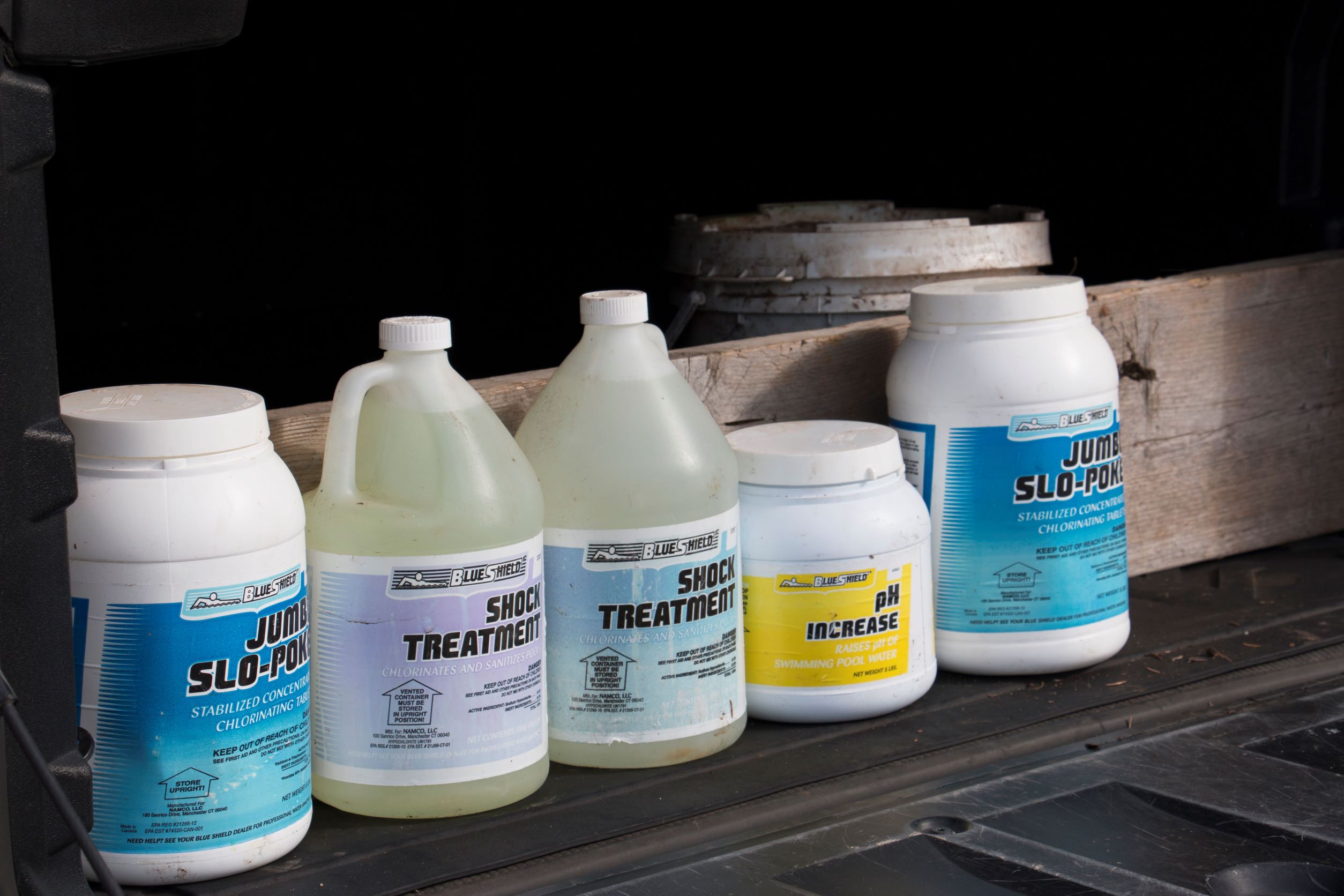
Not sure what to do with old or expired pool chemicals? Whether you’re cleaning out your pool shed or prepping for next season, proper disposal is essential for your safety and the environment.
At Avalon Pools & Spas in Milton, VT, we often help customers figure out how to dispose of old chlorine, algaecides, and pH products safely. Pool chemicals can become unstable or hazardous over time — and throwing them in the trash or pouring them down a drain can cause serious harm to people, pets, and the environment.
This guide will walk you through how to safely and responsibly dispose of old pool chemicals in Vermont and beyond.
Why Proper Disposal Matters
Expired pool chemicals don’t just lose effectiveness — they can also become dangerous.
Improper disposal can:
-
Cause fires or chemical reactions if incompatible materials mix.
-
Pollute soil and waterways if poured down drains or tossed in trash bins.
-
Create toxic fumes or burns if handled incorrectly.
Taking time to dispose of chemicals properly keeps you, your community, and your environment safe.
1. Check If Your Pool Chemicals Are Still Usable
Before disposing of any pool chemicals, the first step is to check if they are still effective and safe to use. Although many pool chemicals don’t have specific expiration dates, their shelf life is influenced by storage conditions and exposure to heat, light, and moisture.
- Dry Chemicals: Granular chlorine and pH balancers, when stored properly, can last longer than liquid chemicals. However, if the chemicals have hardened, changed color, or have an unusual odor, it’s best to dispose of them.
- Liquid Chemicals: Liquid chlorine and other liquid-based chemicals typically have a shorter shelf life. For example, liquid chlorine begins to lose its potency after just a few weeks. If it’s older than that, it may be time to dispose of it.
Pro Tip: Store your pool chemicals in a cool, dry, and well-ventilated space. Keep liquids and dry chemicals separate to avoid potential reactions.
2. Follow Product Label Instructions
Every chemical has unique disposal instructions. Before tossing or neutralizing any pool product, check the manufacturer’s label for guidance.
Look for details like:
-
Whether dilution or neutralization is required before disposal
-
Whether the product is EPA-regulated hazardous waste
-
Any local or federal disposal restrictions
Never mix chemicals together before disposal — even similar types (like different chlorine brands) can react violently.
3. Contact Your Local Waste Management Facility
One of the safest ways to dispose of pool chemicals is to take them to your local hazardous waste facility.
How to Do It:
-
Call ahead: Ask your local waste management office or recycling center if they accept pool chemicals.
-
Ask about special collection days: Many towns, including those near Milton, VT, host Household Hazardous Waste Collection Events each season.
-
Follow their instructions: Some facilities ask for specific packaging or will schedule pickups for hazardous waste.
By following local guidelines, you’ll ensure safe, legal, and environmentally responsible disposal.
4. Safely Transport Pool Chemicals
When transporting pool chemicals to a disposal facility, it’s important to handle them with care to prevent spills or accidents. Follow these safety precautions to protect yourself and others during transport:
- Wear Protective Gear: Gloves and safety glasses are essential to avoid skin or eye contact with hazardous chemicals.
- Keep Containers Sealed: Transport pool chemicals in their original, sealed containers. If a container is broken or leaking, place it in a leak-proof container or bag to prevent spillage.
- Separate Incompatible Chemicals: Ensure that different types of chemicals are stored separately during transport. For example, chlorine products should not be mixed or transported with non-chlorine oxidizers or acids, as dangerous reactions can occur.
5. Be Environmentally Responsible
The improper disposal of pool chemicals can have harmful effects on the environment, contaminating soil, water sources, and air. When pool chemicals are disposed of improperly—such as being poured down drains or discarded with regular trash—they may end up in landfills or water treatment plants, leading to environmental hazards.
By following proper disposal methods, you’re not only protecting your community but also taking important steps to prevent pollution. Chemicals like chlorine, muriatic acid, and non-chlorine oxidizers can be hazardous to wildlife and ecosystems, so it’s essential to dispose of them carefully.
6. Common Pool Chemicals and Disposal Tips
Here’s a quick guide to common pool chemicals and how to dispose of them safely:
- Chlorine (tablets, granular, or liquid): Follow label instructions for disposal, and avoid mixing chlorine with other chemicals. If expired or compromised, contact your local waste facility for proper disposal.
- Non-Chlorine Oxidizers: Handle these separately from chlorine products and dispose of them according to product guidelines.
- Muriatic Acid: This chemical can be very dangerous if mishandled. Always keep muriatic acid in its original container and contact your local hazardous waste facility for disposal instructions.
- Sodium Carbonate (pH Up) and Sodium Bicarbonate (Alkalinity Up): While less hazardous than other chemicals, they should still be disposed of responsibly to avoid environmental harm. Use local waste management services for disposal.
Dispose Old Pool Chemicals Properly
Disposing of old pool chemicals requires careful attention to detail and a commitment to environmental responsibility. At Avalon Pools and Spas, we recommend regularly checking your pool chemical stock for expiration signs and safely disposing of any outdated or compromised products. By following product label instructions, working with your local waste management facility, and handling chemicals with care, you can ensure that your pool stays safe and your environment remains protected.
If you have any questions about pool maintenance, chemical storage, or disposal, don’t hesitate to contact Avalon Pools and Spas. Our team of experts is here to help you with all your pool care needs!
FAQs About Pool Chemical Disposal
1. Can I pour old chlorine down the drain?
No. Chlorine and other pool chemicals should never go into drains or sewers — they can corrode pipes and pollute water sources.
2. What should I do with old muriatic acid?
Keep it sealed and contact your local hazardous waste facility for drop-off instructions. Never mix muriatic acid with other chemicals.
3. Are expired pool chemicals dangerous?
Yes — some can release fumes or react if exposed to heat or moisture. Handle them carefully and dispose of them as hazardous waste.
4. How can I find a hazardous waste facility near Milton, VT?
Check with Chittenden Solid Waste District (CSWD) or local town offices — they frequently hold seasonal collection events for chemicals and paints.
5. How long do pool chemicals last?
Generally:
-
Dry chlorine: 3–5 years if sealed
-
Liquid chlorine: 1–2 months
-
pH balancers: 2–4 years