
Key Takeaways
- Most Vermont pool owners should run their pool pump 8-12 hours per day during the summer.
- Pool size, weather, swimmer load, and surrounding debris all affect ideal run times.
- Running your pump too little can lead to cloudy water, algae growth, and chemical imbalances.
- Running your pump 24/7 generally increases energy costs without significant benefits.
- Variable-speed pumps can dramatically reduce electricity usage while improving circulation.
- A clean filter, pool cover, and proper water chemistry can improve efficiency and lower operating costs.
- Monitoring water clarity and testing water regularly will help determine whether your current run schedule is sufficient.
If you’re a pool owner in Vermont, you’ve probably wondered, “How long should I run my pool pump?” Running your pump too little can lead to cloudy water, algae growth, and poor circulation. Running it too much can increase your electric bill without providing much additional benefit.
Finding the right balance is important for maintaining clean, healthy water while keeping energy costs under control. At Avalon Pools & Spas in Milton, VT, this is one of the most common questions we hear from pool owners throughout Colchester, Essex, St. Albans, Burlington, and surrounding communities.
Here’s what Vermont homeowners need to know about pool pump run times during the summer season.
Why Your Pool Pump Matters
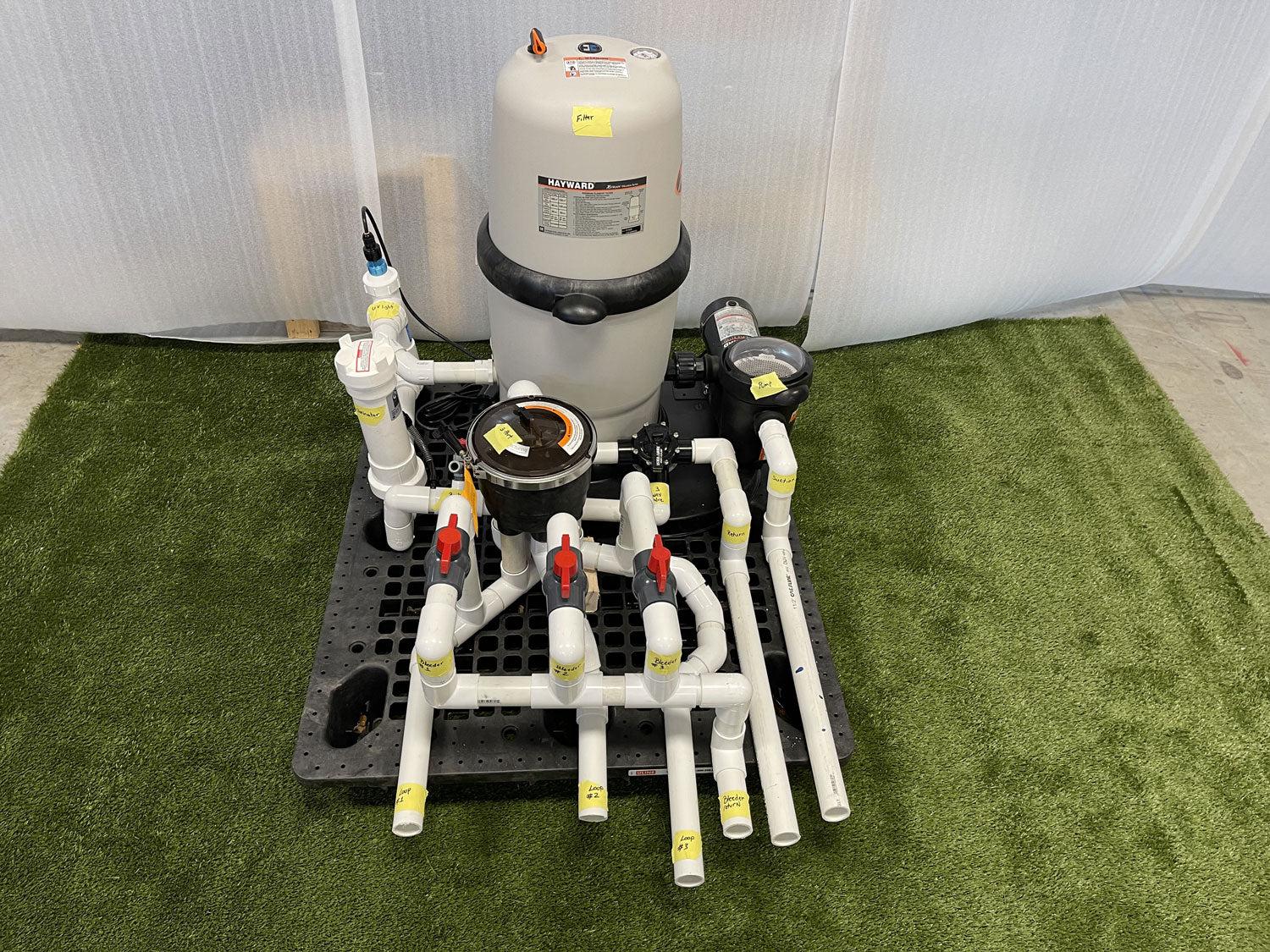
Your pool pump is the heart of your pool’s circulation system. It continuously moves water through your:
- Pool filter
- Heater
- Salt system or chlorinator
- Sanitizing equipment
Without proper circulation, debris, bacteria, and algae can quickly build up, leading to poor water quality and expensive maintenance issues.
The goal isn’t to run your pump 24 hours a day. The goal is to circulate enough water to keep your pool clean and balanced.
How Long Should I Run My Pool Pump?
For most residential pools in Vermont, the recommended run time during the summer is:
8 to 12 hours per day
This amount of circulation is typically sufficient to:
- Filter debris
- Distribute chemicals evenly
- Prevent stagnant water
- Maintain water clarity
- Support proper sanitization
However, every pool is different. The ideal run time depends on several factors.
Factors That Affect Pool Pump Run Time
Pool Size
Larger pools contain more water and generally require longer circulation times.
For example:
- Small above-ground pools may only need 6-8 hours
- Medium-sized pools typically require 8-10 hours
- Large in-ground pools often benefit from 10-12 hours
Vermont Summer Temperatures
During cooler Vermont summer weeks, your pump may not need to run as long.
However, during hot stretches when temperatures climb into the 80s and 90s, additional circulation helps:
- Prevent algae growth
- Improve sanitizer effectiveness
- Keep water balanced
Pool Usage
The more people using your pool, the harder your filtration system has to work.
Consider increasing run times after:
- Pool parties
- Holiday weekends
- Swimming lessons
- Heavy family use
More swimmers introduce additional contaminants, sunscreen, oils, and debris into the water.
Trees and Debris
Many Vermont pools are surrounded by beautiful trees and landscaping.
While attractive, nearby trees can increase:
- Leaves
- Pollen
- Seeds
- Insects
Pools exposed to heavier debris loads often benefit from longer daily pump cycles.
Type of Pool Equipment
Modern variable-speed pumps are significantly more efficient than older single-speed pumps.
Variable-speed systems can often run longer at lower speeds while using less energy than traditional pumps operating for shorter periods.
Should I Run My Pool Pump During the Day or Night?
Many homeowners assume nighttime operation is best because electricity rates may be lower.
However, summer pool care often benefits from running your pump during daylight hours.
Benefits of daytime circulation include:
- Better chemical distribution
- Improved filtration during peak swimming hours
- Enhanced algae prevention
- More efficient sanitizer performance
Many pool professionals recommend splitting run times.
For example:
- 4 hours in the morning
- 4 hours in the afternoon
- Or 6 hours during the day and 4 hours overnight
This helps maintain consistent circulation throughout the day.
Signs Your Pool Pump Isn’t Running Long Enough
If your pump isn’t operating long enough, you may notice:
Cloudy Water
Poor circulation allows contaminants to remain suspended in the water.
Algae Growth
Algae thrives in stagnant water and areas with poor chemical distribution.
Dead Spots
Corners, steps, and shallow areas may accumulate debris if circulation is insufficient.
Uneven Chemical Levels
Water chemistry becomes harder to balance when chemicals aren’t properly distributed.
Increased Maintenance
You may find yourself spending more time vacuuming, brushing, and treating the water.
Can You Run Your Pool Pump Too Much?
Yes.
While running your pool pump continuously won’t usually harm the water, it can:
- Increase electric bills
- Create unnecessary wear on equipment
- Shorten pump lifespan
- Increase maintenance costs
For most Vermont homeowners, running a standard pool pump 24 hours a day provides little benefit compared to a properly scheduled 8-12 hour cycle.
Energy-Saving Tips for Vermont Pool Owners
If you’re concerned about operating costs, there are several ways to reduce energy consumption while maintaining excellent water quality.
Upgrade to a Variable-Speed Pump
Variable-speed pumps can reduce energy usage by up to 80% compared to older single-speed models.
These systems allow water to circulate efficiently at lower speeds for longer periods.
Use a Pool Timer
A programmable timer ensures your pump runs only when needed.
Timers eliminate forgotten run cycles and unnecessary operation.
Keep Your Filter Clean
A dirty filter forces your pump to work harder.
Regular cleaning improves efficiency and water flow.
Use a Pool Cover
A pool cover helps:
- Reduce evaporation
- Retain heat
- Keep debris out
- Reduce filtration demands
Less debris means your circulation system can work more efficiently.
Maintain Proper Water Chemistry
Balanced water helps your filtration system operate more effectively and reduces strain on equipment.
Vermont Seasonal Considerations
Unlike warmer climates, Vermont pool owners enjoy a shorter swimming season.
During peak summer months, your pump will typically require the longest run times.
However, during:
- Early spring
- Cooler fall weather
- Extended rainy periods
You may be able to reduce daily run times slightly while still maintaining excellent water quality.
Monitoring water clarity and chemistry is the best way to determine whether your current schedule is working.
Professional Pool Equipment Advice in Milton, VT
Every pool is unique. Factors like pool size, equipment type, usage levels, and surrounding environment all influence the ideal pump schedule.
At Avalon Pools & Spas, we help homeowners throughout Milton, Colchester, Essex, Burlington, St. Albans, and surrounding Vermont communities optimize their pool systems for maximum efficiency and water quality.
Whether you’re looking to reduce energy costs, upgrade to a variable-speed pump, or improve overall pool performance, our team is here to help.
Contact Avalon Pools & Spas
If you’re wondering how long should I run my pool pump, the answer depends on your specific pool and equipment setup.
The experts at Avalon Pools & Spas can help you create an efficient circulation schedule that keeps your pool clean while minimizing energy costs.
Contact us today for pool equipment recommendations, maintenance services, and expert pool care advice throughout Vermont.
Frequently Asked Questions
How long should I run my pool pump during a Vermont summer?
Most pools should run between 8 and 12 hours per day during the swimming season. The exact amount depends on pool size, weather conditions, and usage.
Is 8 hours enough for a pool pump?
For many residential pools, yes. However, larger pools, heavily used pools, or pools exposed to significant debris may require longer run times.
Should I run my pool pump every day?
Yes. Daily circulation helps maintain water quality, distribute chemicals, and prevent algae growth.
Can I run my pool pump at night only?
You can, but many pool professionals recommend running at least part of the cycle during the day when swimmers are using the pool and chlorine demand is highest.
Does a larger pool require longer pump run times?
Generally, yes. Larger pools contain more water and often require additional filtration time to maintain proper circulation.
Will running my pool pump longer keep the water cleaner?
Not always. Once sufficient circulation is achieved, additional run time often provides minimal improvement while increasing energy costs.
What is the most energy-efficient way to run a pool pump?
A variable-speed pump operating at lower speeds for longer periods is typically the most energy-efficient option.
How can I lower my pool pump electricity costs?
Installing a variable-speed pump, using a timer, cleaning your filter regularly, and using a pool cover can all help reduce operating expenses.
Should I increase pump run time after a pool party?
Yes. Heavy swimmer use introduces oils, sunscreen, dirt, and contaminants that may require additional circulation and filtration.
How do I know if my pump isn’t running long enough?
Cloudy water, algae growth, poor circulation, uneven chemical readings, and increased debris accumulation are common signs that run times may need to be increased.